Sam Altman Caught in What May Be His Most Spectacular Lie Yet
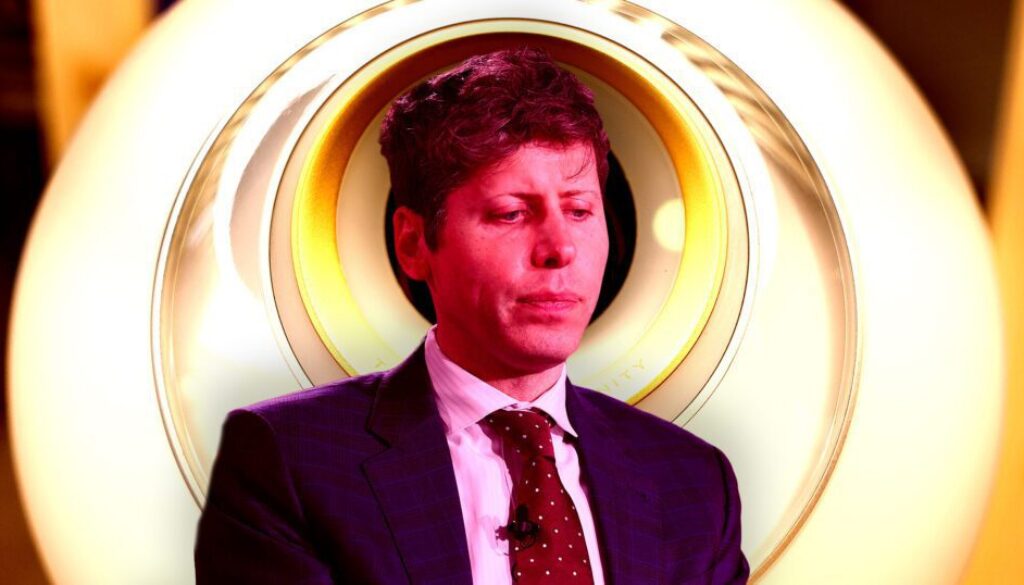
Sam Altman’s Tools for Humanity falsely announced a partnership with Bruno Mars to distribute concert tickets via its blockchain-based “Concert Kit” product, only to retract the claim after Mars’ management denied any agreement. The incident exposes ongoing credibility gaps at Altman’s ventures that institutional investors betting on blockchain identity verification and AI infrastructure must now weigh against governance and disclosure risks.
- Tools for Humanity announced Bruno Mars concert ticket partnership on April 17 that neither Bruno Mars nor Live Nation had authorized or knew about
- Bruno Mars Management and Live Nation jointly stated the partnership “does not exist” and that Tools for Humanity never approached them
- Company subsequently claimed alternative partnership with Thirty Seconds to Mars after retracting Bruno Mars announcement, raising questions about due diligence
- April 17 Date Tools for Humanity announced Concert Kit partnership without artist consent
- Two Major music acts referenced in partnership claims, both containing word “Mars”
- Zero Prior contacts from Tools for Humanity to Bruno Mars or Live Nation management
Tools for Humanity, a blockchain startup founded by Sam Altman, announced on April 17 that it would distribute tickets to Bruno Mars’ upcoming world tour through a new product called Concert Kit. The announcement, framed as a major partnership milestone, positioned the tool as a test case for blockchain-based ticketing infrastructure. Within days, the claim unraveled completely.
Bruno Mars Management and Live Nation issued a joint statement to Wired confirming that no such partnership existed and that Tools for Humanity had never contacted them about any collaboration. The company subsequently updated its website and acknowledged through a spokesperson that it “does not have any agreement with Bruno Mars to test or feature Concert Kit.”
Tools for Humanity Pivots to Thirty Seconds to Mars After False Bruno Mars Claim Collapses
Rather than quietly withdrawing the Concert Kit announcement, Tools for Humanity shifted its narrative to claim a partnership with Thirty Seconds to Mars, the rock band fronted by actor Jared Leto. The timing and circumstances of this pivot remain unclear, with no public statement explaining whether negotiations with the alternative act preceded or followed the Bruno Mars retraction.
The irony compounds the credibility problem: a company whose core value proposition rests on verifying human identity and authenticating digital claims had just fabricated a high-profile partnership announcement involving one of the world’s most recognizable entertainers.
The Concert Kit product itself was pitched as a use case for World, Altman’s blockchain-focused identity verification platform centered around an iris-scanning device called the Orb. Tools for Humanity has positioned the Orb as a solution to “verify humanness,” a concept it has marketed to dating platforms and other services requiring identity confirmation.
Extending that logic to ticketing was presented as a natural application: blockchain-secured, identity-verified concert access. The Bruno Mars announcement was designed to signal institutional legitimacy and real-world adoption at scale.
Instead, the gaffe exposed fundamental gaps between public claims and actual partnerships, raising questions about internal verification processes at companies operating under Altman’s leadership.
Pattern of Credibility Issues at Altman’s Ventures Documented by Former Insiders and Journalists
This incident fits within a documented pattern. A New Yorker investigation published in April by journalists Ronan Farrow and Andrew Marantz detailed extensive credibility concerns surrounding Altman across multiple organizations. According to internal documents obtained by the publication, OpenAI staff had compiled lists of behavioral concerns, with “lying” explicitly named as the first item.
Former OpenAI employees cited by Farrow and Marantz claimed Altman had made false statements regarding non-disparagement agreements imposed on departing staff, as well as misrepresenting the company’s foundational commitment to developing artificial general intelligence that “benefits all of humanity.” Those former employees alleged that AGI development had been de-prioritized in practice, contradicting public statements about company direction.
The New Yorker investigation documented a “consistent pattern” of truth-stretching at multiple stages of Altman’s career, both within OpenAI and in his other ventures. This context transforms the Concert Kit announcement from an isolated marketing mishap into part of a longer arc.
For institutional investors evaluating blockchain identity platforms or AI infrastructure companies affiliated with Altman, the pattern matters because it suggests systemic issues with how claims are vetted before public announcement.
The Bruno Mars case is particularly significant because it involves a verifiable, high-stakes falsehood that occurred despite the company’s stated expertise in authentication and verification.
Concert Kit Retraction Raises Questions About Due Diligence in Emerging Blockchain Applications
Blockchain identity and ticketing solutions occupy a growing segment of institutional investment focus, with major exchanges and platforms exploring distributed ledger applications for customer onboarding and asset verification. Tools for Humanity’s Concert Kit was pitched as proof-of-concept for that category.
The false announcement and retraction create complications for the entire sector because they demonstrate how easily unverified partnership claims can circulate through institutional channels and media coverage before confirmation occurs.
For enterprise clients considering whether to integrate World’s Orb technology or Concert Kit-style solutions, the incident raises practical concerns about partnership vetting. If a company can announce a major agreement with a globally recognized artist without securing that artist’s consent, what internal approval processes exist for other claims?
How are customer lists, beta test participants, and adoption numbers verified before disclosure to the market? These questions matter because institutional adoption hinges on confidence in accuracy of publicly stated metrics and partnerships.
The distinction between Concert Kit as a product and World as a platform also creates ambiguity. World positions the Orb as infrastructure for identity verification across multiple use cases. Tools for Humanity acts as a separate operating entity advancing specific applications.
When one entity makes false claims under the brand umbrella, institutional buyers must decide whether trust issues are isolated to that unit or systemic to the broader ecosystem.
As blockchain identity verification competes for enterprise adoption against incumbent identity providers, regulatory scrutiny will likely intensify around partnership disclosures and public claims made by these platforms. The key question for institutional investors remains whether Tools for Humanity and World will implement formal third-party partnership verification procedures before public announcement, or whether Altman’s ventures will continue operating with the looser disclosure standards that permitted the Bruno Mars announcement to proceed unchecked.