
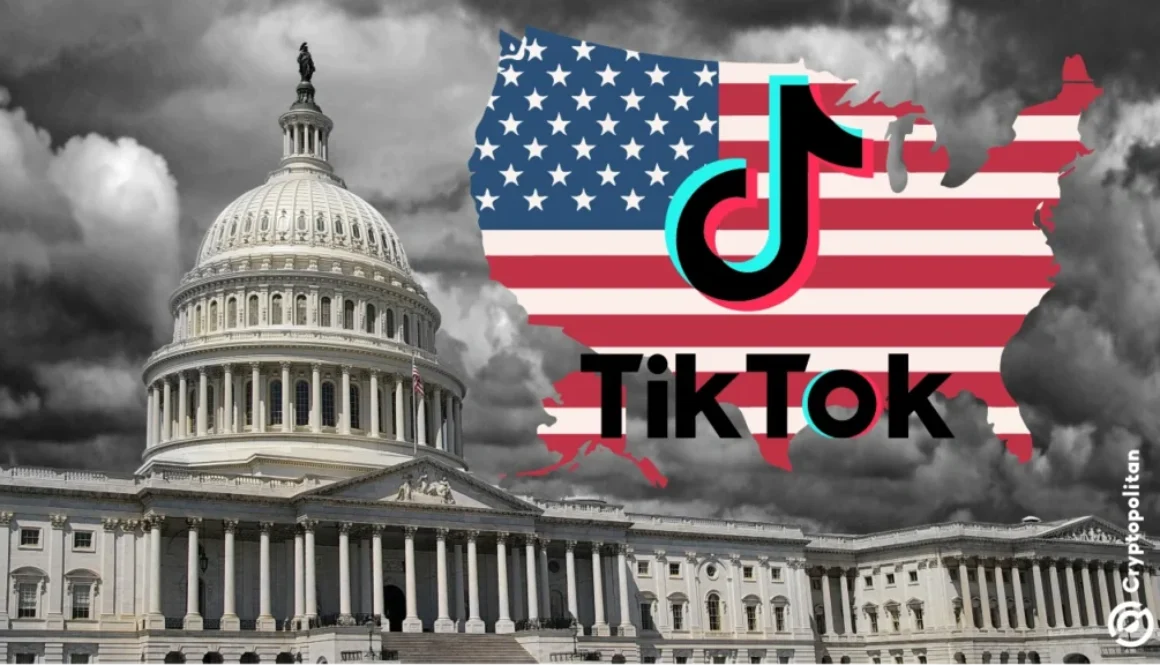
White House launches TikTok account as Trump targets 170M US users
The White House has launched an official TikTok account as the Trump administration seeks to engage directly with the platform’s 170 million monthly U.S. users, even as national security concerns and legal challenges continue to cloud the app’s future in America.
President Donald Trump announced the new @whitehouse account on Tuesday evening, opening with a direct appeal to younger voters. The inaugural post featured Trump’s signature messaging: “I am your voice” and “America, we are BACK!” followed by a casual greeting to the platform’s base.
The move signals a significant shift in how the federal government communicates. The White House account will distribute short-form videos showcasing administration policies, official events, and direct presidential messaging—targeting voters who increasingly bypass traditional television news.
Building on Campaign Momentum
Trump’s personal TikTok presence has already proven influential. His campaign account, @realdonaldtrump, surpassed 15 million followers and played a measurable role in securing youth voter support during the 2024 election against Democrat Kamala Harris.
Former White House press secretary Karoline Leavitt framed the official government account as an extension of that success. She stated that the administration intends to use TikTok in ways previous administrations have not explored.
During his campaign, President Trump’s message was dominant on TikTok. We intend to build on that success and communicate in ways no other administration has before.
— Karoline Leavitt, Former White House Press Secretary
The strategy reflects a broader recognition that reaching younger, digitally native audiences requires meeting them on platforms where they already spend significant time. Traditional press releases and cable news appearances no longer capture the full political landscape.
TikTok has 170 million monthly active users in the United States, making it one of the most influential social platforms for younger demographics. The app’s algorithm-driven content delivery system has made it particularly powerful for rapid message amplification.
The Short-Form Video Revolution and Market Implications
The federal government’s formal entry into TikTok signals the platform’s maturation as a mainstream communication channel rather than a niche social app. Short-form video consumption has fundamentally reshaped how information flows in American culture, with TikTok controlling approximately 60% of the short-form video market in the United States.
This shift carries significant implications for media companies, traditional broadcasters, and advertising markets. As government institutions legitimize TikTok through official presence, they simultaneously validate the platform’s cultural and political importance. Major brands have already committed billions to TikTok advertising, recognizing that algorithmic content distribution often outperforms traditional television and social media placements in reaching Gen Z and younger millennials.
The White House’s decision also reflects changing voter behavior patterns documented in the 2024 election cycle. Campaigns that invested heavily in TikTok saw measurable returns on engagement and voter mobilization, particularly in competitive districts. This data-driven approach suggests future administrations will likely expand their TikTok presence regardless of security debates.
However, the platform’s dominance in political communications creates vulnerability. Unlike Facebook or YouTube, TikTok’s algorithm remains proprietary and opaque, raising questions about whether government messages receive algorithmic promotion or face suppression based on undisclosed criteria controlled by ByteDance engineers in Beijing.
Legal and Security Challenges Mount
The White House’s embrace of TikTok comes amid an escalating legal battle over the platform’s future in the United States. Congress passed legislation in 2024 ordering TikTok to cease operations by January 19, 2025, unless its Chinese parent company ByteDance divested its American assets.
Trump has repeatedly delayed enforcement. He first extended the deadline to April, then to June, and most recently to September 17, 2025. Each postponement has drawn criticism from lawmakers across both parties who cite unresolved national security concerns.
Intelligence officials have long maintained that ByteDance operates under pressure from Beijing. The combination of a Chinese parent company, access to American user data, and government influence over content distribution has prompted warnings from the State Department and intelligence community.
January 19, 2025: Original deadline for TikTok operations ban. April 2025: First Trump-ordered extension. June 2025: Second extension. September 17, 2025: Current deadline under Trump administration decision.
Despite these security assessments, the Trump administration has focused primarily on negotiating a sale to American investors rather than enforcing the ban. Critics argue this approach sidesteps the core issue of data sovereignty and potential state-sponsored surveillance. ByteDance has resisted full divestiture, instead proposing partial ownership structures that would maintain Chinese company influence over the platform’s direction and algorithm.
ByteDance’s Global Operating Model and Data Infrastructure
Understanding ByteDance’s corporate structure is essential to grasping the security debate. The company operates across multiple jurisdictions with interconnected data systems. TikTok’s American user database, including video viewing history, search patterns, and biometric data from videos, flows through infrastructure with connections to ByteDance’s Beijing headquarters.
Chinese national security law, Article 7, requires all organizations operating in China to provide government access to data and systems upon request. This creates a legal mechanism through which Beijing could theoretically access American user information without ByteDance executives’ explicit knowledge or consent.
The company has proposed “Project Texas,” a technical architecture designed to isolate American user data on U.S. servers operated by Oracle. However, security analysts note that algorithm control, content moderation decisions, and recommendation systems would still originate from ByteDance’s Chinese operations. This partial solution has failed to satisfy national security concerns within Congress and the intelligence community.
State-Level Action and Mental Health Concerns
While federal officials negotiate TikTok’s future, Minnesota has filed a significant lawsuit challenging the platform’s business practices. Attorney General Keith Ellison accuses TikTok of deliberately employing addictive algorithms to manipulate young users while knowing the risks to their mental health.
The lawsuit, filed under state consumer protection and deceptive trade practices laws, alleges that TikTok engaged in systematic deception. Minnesota educators have reported seeing direct connections between heavy platform use and rising rates of depression, anxiety, and reduced attention spans among students.
Minnesota joins approximately 24 other states in litigation against TikTok. These coordinated legal efforts stemmed from a nationwide investigation launched in 2022 and represent the most substantial state-level challenge to the platform’s practices yet. Attorneys general are pursuing damages potentially exceeding $1 billion, establishing precedent for how states can regulate algorithmic manipulation independently of federal action.
The case is fundamentally about deception and manipulation. TikTok knew the risks but failed to act responsibly.
— Keith Ellison, Minnesota Attorney General
TikTok has denied all allegations and maintains that it has implemented age-appropriate safety features and content moderation systems. The company argues that user choice and parental controls remain the appropriate regulatory mechanism. Internal documents suggest TikTok allocates resources to safety features only after facing regulatory pressure or litigation.
The Paradox of Federal Engagement
The Trump administration’s decision to launch an official government account on TikTok creates a notable contradiction. Federal leadership is simultaneously delaying enforcement of legislation designed to address the platform’s ownership structure and data practices, while also deepening the government’s direct operational presence on the service.
This approach prioritizes immediate political communication benefits over longer-term national security frameworks. The administration has indicated it prefers negotiating a ByteDance asset sale to American investors, but no deal has materialized despite months of discussions. Technology investors and private equity firms have expressed interest in acquiring TikTok’s U.S. operations, but valuations have proven contentious, with estimates ranging from $40 billion to $70 billion depending on algorithm ownership and data infrastructure inclusion.
For investors tracking digital asset and cryptocurrency regulation trends, TikTok’s uncertain status serves as a case study in how geopolitical tensions intersect with technology policy. The outcome could reshape how future administrations approach foreign-owned digital platforms and establish precedent for regulatory requirements on algorithm transparency and data localization.
Future Implications and Unresolved Questions
The White House’s TikTok strategy will likely remain a point of ongoing political debate through the September 2025 deadline. Whether the administration can simultaneously enforce national security concerns and deepen platform engagement remains unresolved. If enforcement occurs without a completed divestiture, the administration risks alienating millions of users and creators who have built careers on the platform, potentially creating political backlash before the 2026 midterm elections.
Alternatively, if a sale completes under terms that leave ByteDance with meaningful influence, the national security concerns that prompted the original legislation will persist in modified form. Either outcome carries significant consequences for technology policy, data privacy regulation, and the geopolitical competition between the United States and China over digital infrastructure control.
Get weekly blockchain insights via the CCS Insider newsletter.