Intel CEO to meet U.S. President Trump after demand for his resignation
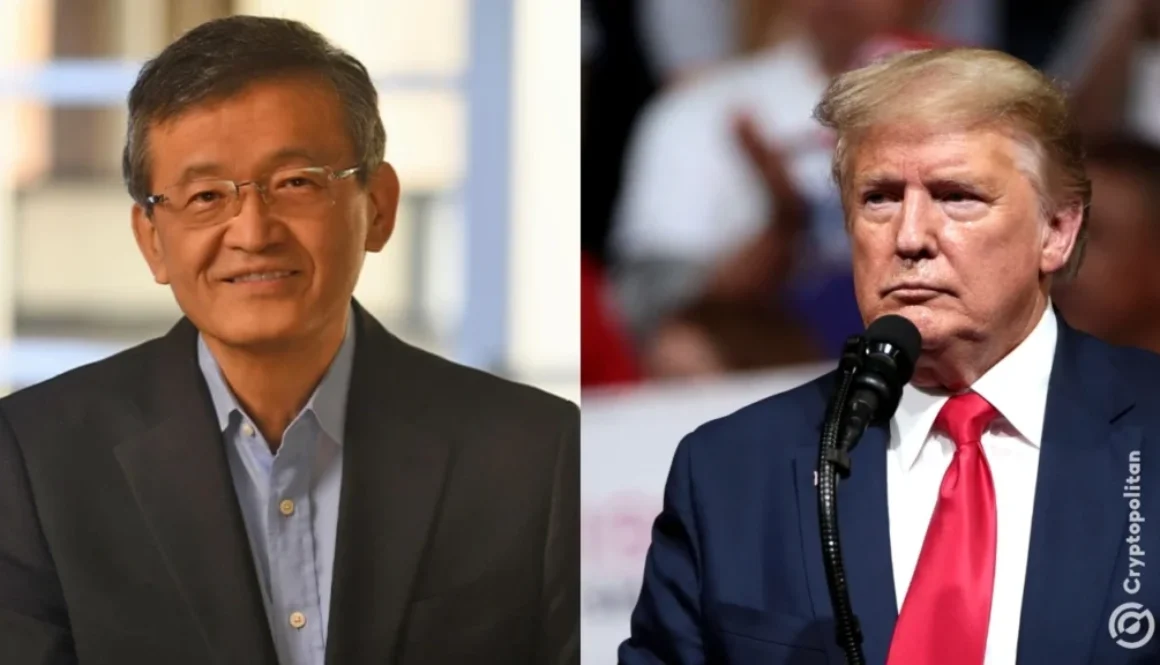
Intel CEO Lip-Bu Tan is preparing for a high-stakes White House meeting Monday as he faces unprecedented political pressure from President Donald Trump, who last week publicly demanded his resignation over alleged conflicts of interest tied to Chinese technology investments. The rare direct rebuke of a sitting corporate executive by a sitting president has sent shockwaves through Wall Street, underscoring the intensifying intersection of semiconductor competition, geopolitical tension, and domestic political pressure on America’s technology leadership.
The Trump Pressure Campaign
During a Michigan rally last week, Trump made an extraordinary move by calling for Tan’s immediate ouster, describing the Intel chief as “highly conflicted” due to his substantial financial ties to Chinese firms. The president framed the issue explicitly as one of national security, arguing that American tech companies must be led by executives with undivided loyalty to the United States.
Trump’s comments reverberated immediately across markets. Intel shares dropped more than 3 percent within hours of his remarks, reflecting the unusual force of presidential pressure on a major American chipmaker. According to market analysts, this represents one of the most direct political interventions in corporate leadership at a major U.S. tech firm in recent memory.
American technology firms must be led by “loyal Americans” who do not have divided interests representing a threat to national security.
— President Donald Trump, Michigan Rally
The timing of Trump’s intervention coincides with Intel’s ongoing business challenges. The company, once the global semiconductor manufacturing leader, now faces fierce competition from Taiwan’s TSMC and South Korea’s Samsung. These competitive pressures come as Washington simultaneously escalates its strategic technology rivalry with Beijing through aggressive export controls on advanced semiconductors and artificial intelligence chips.
Intel shares declined 3% immediately following Trump’s public call for Tan’s resignation, highlighting how political rhetoric can directly affect major tech stocks.
Tan’s Background and Conflict Questions
Lip-Bu Tan, a Malaysian-born Chinese American, assumed the Intel CEO role earlier this year following a distinguished career spanning multiple decades in the semiconductor sector. Before joining Intel, he spent 13 years leading Cadence Design Systems and previously served on Intel’s board of directors before being elevated to chief executive.
The controversy centers on investment disclosures that Reuters reported in April. According to those reports, Tan had invested more than $200 million across hundreds of Chinese advanced manufacturing and technology companies. Some of these firms were subsequently identified as having connections to Chinese military and defense projects, triggering national security reviews.
His previous leadership of Cadence Design Systems has also drawn scrutiny. The software firm faced regulatory questions in 2021 after investigations revealed it had supplied design tools to Chinese entities engaged in defense work, raising concerns about technology transfer to Beijing-aligned actors.
The White House Strategy
Rather than resign, Tan is moving forward with his Monday White House meeting to defend his position directly. According to sources briefed on his preparation, Tan plans to present a comprehensive personal and professional narrative during the meeting.
The CEO intends to discuss his immigration journey to the United States, his career trajectory, and his commitment to American economic and technological strength. He will emphasize his personal integrity and argue that his background positions him uniquely to understand both American interests and the competitive landscape Intel faces globally.
Beyond personal defense, Tan plans to outline Intel’s concrete role strengthening America’s technology infrastructure. His presentation will highlight the company’s plans for reopening domestic chip manufacturing facilities, rebuilding American semiconductor supply chains, and establishing advanced research centers across the country.
Intel’s CEO plans to propose expanded government cooperation including workforce development programs, collaborative AI research initiatives, and domestic semiconductor manufacturing expansion.
Sources indicate Tan will propose specific pathways for deeper Intel-government collaboration. These range from training programs designed to develop American semiconductor workforce talent to joint research ventures focused on artificial intelligence and next-generation computing technologies.
National Security and Industry Context
The controversy reflects deeper tensions within America’s technology sector as the country recalibrates its relationship with China across multiple fronts. The crypto and blockchain industries have similarly navigated questions about Chinese investment and influence, though semiconductor manufacturing carries explicit national security implications for defense systems and intelligence capabilities.
Washington has implemented increasingly stringent export controls targeting advanced chips and AI processors bound for China. These restrictions aim to prevent Beijing from accessing technologies critical to military modernization. Against this backdrop, concerns about conflicts of interest at the helm of Intel—America’s largest domestic semiconductor manufacturer—carry heightened political weight.
Intel shared the president’s commitment to U.S. national and economic security and would continue serving as a trusted government partner.
— Lip-Bu Tan, Public Statement
In a brief public statement last week, Tan acknowledged the broader context, affirming his alignment with Trump’s stated priorities around American security and economic strength. He committed Intel to maintaining its role as a dependable technology partner to the U.S. government.
Semiconductor Industry Leadership Under Scrutiny
The Intel situation has prompted broader industry evaluation of executive vetting and conflict disclosure practices across the semiconductor sector. Major chipmakers including Nvidia, Qualcomm, and AMD all maintain significant operations and supply chain relationships in Asia, yet face escalating expectations from Washington regarding alignment with U.S. strategic interests.
Industry analysts note that semiconductor executives operating in the current geopolitical environment navigate competing pressures: shareholders demanding global market access and profitability, governments requiring technology security assurances, and regulatory bodies implementing increasingly complex compliance frameworks. This triangular tension has traditionally been managed through clear separation between personal investments and corporate decision-making, though Trump’s intervention suggests such distinctions may no longer satisfy political demands.
The semiconductor manufacturing ecosystem itself has undergone dramatic restructuring. U.S. chip production capacity declined from approximately 37 percent of global output in 1990 to roughly 12 percent by 2020, creating strategic vulnerability during supply chain disruptions and geopolitical conflicts. The Biden administration responded with the CHIPS and Science Act, allocating $52 billion to domestic semiconductor manufacturing incentives. Intel has received substantial CHIPS funding commitments totaling tens of billions, making the company’s leadership integrity and Washington relationships financially consequential.
Broader Implications for Corporate Leadership
The resolution of this confrontation will likely set precedent for how Washington evaluates leadership at other major American tech firms with global operations and investments. It will also signal whether individual corporate leaders can survive direct presidential opposition, or whether such public pressure effectively becomes a removal mechanism outside formal governance structures.
For Intel specifically, the outcome carries implications beyond Tan’s tenure. The company’s ability to secure government contracts, access subsidies for domestic manufacturing expansion, and navigate future regulatory scrutiny may depend significantly on how this dispute resolves and whether trust can be restored between the company and Trump’s administration. Board composition, investment disclosure policies, and executive recusal procedures may face new scrutiny industry-wide depending on this precedent.
The confrontation also reflects shifting expectations about corporate patriotism and executive accountability. Previous administrations have generally addressed conflicts of interest through standard disclosure processes and regulatory channels. Trump’s direct public intervention represents an escalation toward treating major technology company leadership as positions requiring explicit political approval, fundamentally altering the relationship between corporate governance and executive power.
The Intel CEO confrontation represents a new frontier in how American political leadership exerts pressure on major technology companies amid intensifying U.S.-China competition. Whether Tan survives this challenge will influence how other executives navigate the intersection of global business operations and nationalist political demands, potentially reshaping corporate governance expectations across the technology sector.
Get weekly blockchain insights via the CCS Insider newsletter.