
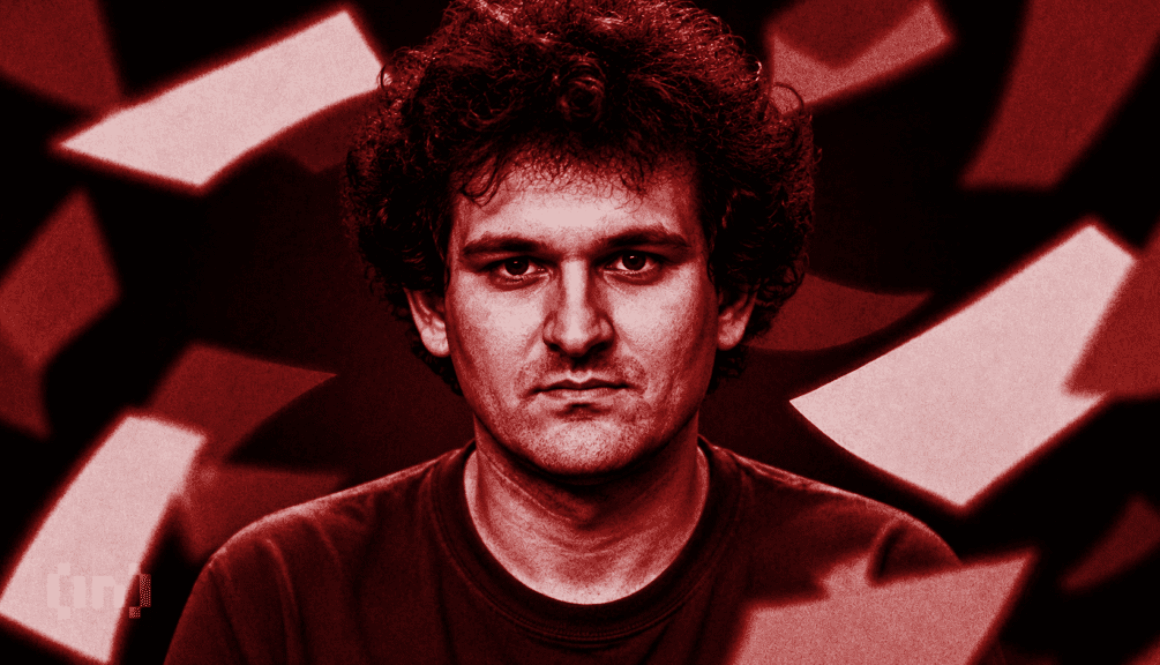
Former Inmate Speaks Out After Sam Bankman-Fried Files for Trump Pardon
Sam Bankman-Fried’s formal pardon application to the Trump administration faces fresh credibility damage after his former prison cellmate, convicted fraudster Michael Avenatti, publicly testified that SBF repeatedly refused to acknowledge any wrongdoing while incarcerated. The claim undermines a core institutional argument for clemency: that a convicted felon has demonstrated genuine remorse and rehabilitation.
- Bankman-Fried formally submitted a pardon application to the DOJ Office of the Pardon Attorney in June 2026
- Michael Avenatti, SBF’s prison bunkmate and fellow fraud convict, stated SBF never admitted guilt or accepted responsibility
- Polymarket pricing puts SBF’s pardon odds at 7% despite Trump’s prior clemency for other crypto figures
- 25 years Prison sentence imposed on Bankman-Fried versus typical fraud convictions
- 7% Current pardon probability on Polymarket prediction market as of June 2026
- $11 billion Forfeiture order against SBF exceeding restitution in most white-collar cases
Sam Bankman-Fried’s push for executive clemency hit a significant obstacle on Monday when Michael Avenatti, his former cellmate at a federal prison facility, publicly accused him of refusing to acknowledge guilt throughout their time together.
Avenatti, himself a convicted fraudster serving 11 years for defrauding clients and embezzling roughly $300,000 from adult film actress Stormy Daniels, posted on social media that he and Bankman-Fried had argued repeatedly about SBF’s categorical refusal to accept responsibility for his crimes.
The timing was pointed: Avenatti’s statement came hours after news broke that Bankman-Fried had formally filed a pardon application with the DOJ Office of the Pardon Attorney, escalating a months-long campaign for early release that has largely stalled in a skeptical political environment.
Avenatti’s Prison Testimony Undercuts SBF’s Remorse Argument
Avenatti’s credibility stems from a singular fact: he and Bankman-Fried shared a cell, giving him direct observation of SBF’s actual conduct and statements rather than access only to public positions or legal filings. In a social media thread, Avenatti wrote that the two men argued repeatedly inside prison about Bankman-Fried’s refusal to acknowledge his crimes.
“Not once did he admit he’d done anything wrong,” Avenatti stated, framing this as a central obstacle to any legitimate pardon claim. For an institutional audience, the distinction matters acutely.
Pardon reviews by the DOJ Office of the Pardon Attorney typically weigh demonstrated remorse, acceptance of responsibility, and evidence of rehabilitation as core criteria alongside factors like length of sentence served and family circumstances.
Bankman-Fried has maintained his innocence in public filings and interviews, arguing that FTX faced a liquidity crisis rather than engaging in deliberate fraud. Avenatti’s account suggests this posture extended even into private prison conversations. A jury rejected that defense in November 2023, convicting Bankman-Fried on seven counts of wire fraud and conspiracy.
In March 2024, a federal judge sentenced him to 25 years in prison and imposed an $11 billion forfeiture order, one of the largest in recent white-collar crime cases.
The contrast between Avenatti’s own courtroom acknowledgment of guilt and Bankman-Fried’s continued denial now creates a narrative problem for any clemency argument: even a co-prisoner serving time for fraud recognized the need for public contrition, while SBF apparently did not.
Avenatti himself serves as an imperfect but meaningful witness precisely because he too is a convicted felon.
Trump’s Prior Skepticism and Competing Pardon Precedent
The pardon landscape for Bankman-Fried has always been constrained. In a January 2026 New York Times interview, President Trump explicitly ruled out clemency for SBF, citing the scale of the alleged fraud and public backlash. That statement alone narrowed his path considerably, though presidents retain the power to reverse stated positions.
Trump has granted clemency to other crypto-adjacent figures during his tenure, most notably Ross Ulbricht, founder of the Silk Road darknet marketplace, and Changpeng Zhao, former CEO of Binance, who received a pardon despite his guilty plea to money-laundering charges. Yet neither case carried the same degree of public and institutional criticism as FTX’s collapse.
Bankman-Fried’s case has drawn markedly less sympathy from pro-crypto Republicans than the Ulbricht or Zhao clemencies.
FTX’s implosion in November 2022 wiped out customer deposits estimated at $8 billion, triggered a cascade of bankruptcies across the venture capital and crypto trading ecosystem, and generated sustained media coverage focused on Bankman-Fried’s political donations and celebrity endorsements.
Ulbricht, by contrast, operated in a more niche regulatory space before his arrest in 2013, and Zhao’s case centered on technical compliance violations rather than direct customer losses on the scale of FTX. That context explains why Polymarket, the leading political prediction market for crypto-native traders, currently prices SBF’s pardon odds at just 7% as of June 2026, a level that has barely budged since his sentencing.
Avenatti’s statement provides fresh ammunition for opponents of clemency. His eyewitness testimony that Bankman-Fried refused private acknowledgment of guilt contradicts any narrative framing the pardon as recognizing rehabilitation or genuine contrition.
For pardon reviewers reading Avenatti’s account, the implication is clear: SBF’s public statements about accepting “responsibility” may be strategic positioning rather than authentic moral reckoning.
SBF’s Continued Legal Fight Runs Parallel to Clemency Push
Bankman-Fried’s pardon application does not operate in isolation from his ongoing conviction appeal. In a separate legal track, SBF’s counsel has argued that he was presumed guilty before trial and denied a fair judicial process. That appeal remains active in federal court.
Should the appeal succeed in overturning conviction or securing a retrial, it would eliminate the need for a pardon entirely. Should it fail, as courts have done with his prior early release requests, the pardon becomes his primary remaining avenue for reducing his 25-year sentence.
The DOJ will review SBF’s pardon application using standard procedures, though presidents can grant clemency independently of that office’s recommendation.
Bankman-Fried has spent months laying groundwork for clemency through pro-Trump social media posts and prison interviews, attempting to align himself with Trump’s broader crypto-friendly agenda. That effort accelerated following Trump’s election victory and initial willingness to consider clemency for select crypto figures.
However, the combination of Trump’s prior public skepticism, the political sensitivity surrounding FTX’s collapse, low market-based probability estimates, and now Avenatti’s credible account of SBF’s private refusal to accept guilt have created a narrowing window.
Courts have already rejected multiple early release motions since sentencing, signaling judicial skepticism about the circumstances warranting sentence reduction.
The question now centers on whether the Trump administration will act on its theoretical power to grant clemency independent of DOJ recommendation or pardon office guidance, and whether Avenatti’s testimony will be folded into that decision-making calculus. A decision from the White House on the application timeline remains unclear, though institutional investors tracking SBF’s legal exposure and any potential precedent for crypto industry rehabilitation should monitor whether Trump’s stated January 2026 position holds or shifts in coming months.
