
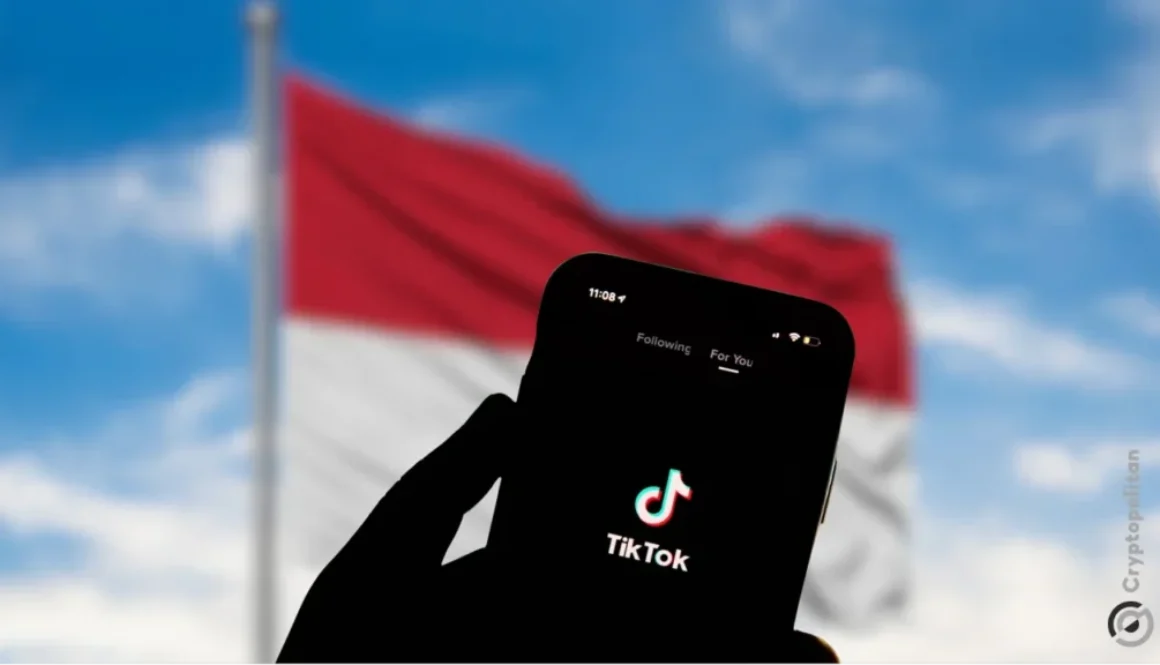
TikTok temporarily suspends LIVE in indonesia
TikTok has temporarily suspended its LIVE streaming feature in Indonesia as the country experiences widespread civil unrest tied to political tensions and misinformation circulating across social platforms. The move, described by the company as voluntary and precautionary, comes amid violent protests that have resulted in deaths, property damage, and looting across multiple regions. ByteDance, TikTok’s parent company, stated the suspension aims to prevent the platform from being used to spread unverified claims, incite violence, or broadcast harmful content during this volatile period.
The timing of the suspension reflects growing concerns about how real-time video streaming can amplify social division. LIVE features enable creators to broadcast to massive audiences instantaneously, making them particularly vulnerable to misuse during moments of heightened tension. Indonesia’s government had already signaled pressure on social media platforms to strengthen their content moderation practices before the LIVE suspension was announced.
Indonesia’s Political Crisis Fuels Unrest
The underlying crisis began when members of Indonesia’s Parliament approved significant increases to their own allowances and additional perks—a decision that struck a nerve in a country where many citizens face economic hardship. The anger intensified after a motorbike taxi driver was killed when struck by a police vehicle, an incident that transformed localized frustration into nationwide demonstrations.
Violent protests have since erupted across Indonesia’s major regions. Buildings have been set ablaze in Makassar, West Nusa Tenggara, Central Java, and West Java. In South Sulawesi, a local parliament office fire claimed three lives. Additional unrest has been documented in Bali, Surabaya, and Lombok, where authorities deployed tear gas to disperse crowds.
The disinformation on social media platforms angered communities, resulting in public protests that evolved into uncontrolled demonstrations.
— Angga Raka Prabowo, Deputy Minister, Komdigi (Indonesia’s Ministry of Communication and Digital Affairs)
Some protests have descended into looting, raising concerns about potential wider instability. This progression—from political discontent to violent street action—has exposed how rapidly social tension can escalate when misinformation and real-time video amplify grievances across large populations.
Indonesia represents one of TikTok’s largest markets globally, with over 100 million registered accounts. The platform has made substantial investments in the country across entertainment and e-commerce services, making any regulatory action there consequential for ByteDance’s business. Indonesia’s digital economy has grown significantly over the past five years, with social commerce becoming increasingly central to retail activity. TikTok Shop, the company’s e-commerce initiative, has expanded aggressively in Indonesia, positioning the platform as more than just an entertainment service but as a critical infrastructure component for merchants and consumers. This economic integration makes the LIVE suspension particularly significant, as it restricts a key tool for livestream shopping—a dominant commerce model in the region.
Government Pressure and Content Moderation
Indonesia’s Ministry of Communication and Digital Affairs (Komdigi) had summoned representatives from both TikTok and Meta Platforms before the LIVE suspension took effect. The government wanted to address what officials characterized as an epidemic of false information and misleading content spreading across these networks.
According to Komdigi’s monitoring, TikTok and Instagram emerged as the primary platforms where disinformation proliferated during the unrest. As more Indonesians rely on social media for news rather than traditional outlets, the potential for false narratives to shape public perception has grown substantially. Officials noted that fabricated stories and misleading content directly contributed to community anger and the escalation of street demonstrations.
The government issued a clear warning: TikTok and Meta face potential suspension or substantial financial penalties if they fail to strengthen content moderation and adopt more proactive measures to identify and remove harmful material. This represents a significant escalation in regulatory pressure, signaling that Indonesia intends to hold platforms accountable for content circulating on their services.
The company said it is taking added precautions to help secure its service and will keep removing harmful content that violates its community standards.
— TikTok Spokesperson
TikTok’s LIVE suspension carries no firm end date, though company officials suggested it would last only a few days. However, the suspension demonstrates how government pressure and real-world crises can prompt major platforms to restrict features even without formal legal mandates. The action also reflects ByteDance’s broader strategy of proactive compliance in key markets where regulatory relationships remain nascent or uncertain. Indonesia, unlike some developed markets, lacks comprehensive digital services legislation comparable to the European Union’s Digital Services Act, giving the government considerable discretion in enforcement and penalty decisions.
Broader Implications for Social Media Regulation
Indonesia’s situation illustrates a critical challenge facing large social platforms: the tension between enabling free expression and preventing harmful content during periods of civil unrest. Real-time communication tools have become central to how information spreads, making them both valuable and potentially dangerous during political crises.
The Indonesian government’s summons and subsequent threats represent a model of regulatory intervention gaining traction across Asia. Authorities are moving beyond requests for voluntary compliance toward explicit penalties for platforms that fail to meet content moderation standards. This shift has implications beyond Indonesia, as other nations observe how ByteDance and Meta respond to such pressure. Countries including the Philippines, Thailand, and Vietnam have signaled similar intent to strengthen oversight of social media platforms, particularly regarding political content and civil unrest scenarios. The precedent set in Indonesia—where platforms voluntarily restrict features in response to government pressure—may influence regulatory approaches across the broader Southeast Asian region.
For platforms, the challenge is complex. Removing content too aggressively risks accusations of censorship and suppressing legitimate speech. Acting too slowly or passively allows misinformation and incitement to circulate unchecked. During moments of genuine crisis, these trade-offs become especially acute. Content moderation at scale—particularly in non-English languages and regional dialects—remains technically difficult and resource-intensive, even for well-funded companies. Indonesia’s diverse linguistic landscape and large creator base compound these challenges significantly.
TikTok’s decision to suspend LIVE streaming demonstrates that platforms are willing to make significant feature restrictions when they believe doing so prevents tangible harm. The question for regulators and the public is whether such measures address root causes of misinformation or merely manage symptoms during acute crises. Evidence from past crisis situations suggests that feature suspensions may provide breathing room for moderation teams but do not fundamentally solve underlying information ecosystem problems.
Market and Industry Ramifications
Beyond Indonesia, the incident has broader market implications for the social media industry. Investors and analysts are closely monitoring how governments’ regulatory stance toward TikTok evolves, particularly in Asia where ByteDance generates substantial revenue. Any sustained restrictions in major markets could impact revenue forecasts and valuation models. Simultaneously, the incident highlights competitive dynamics between platforms, as Meta’s Instagram faced parallel pressure despite being less central to the misinformation spread, indicating that governments may pursue broader regulatory sweeps regardless of individual platform culpability.
The suspension also underscores the growing importance of localized content moderation infrastructure. Platforms that can rapidly deploy region-specific teams, understand cultural context, and respond to government concerns faster may maintain better relationships with regulators. This creates competitive advantages for established players with deep market presence while potentially disadvantaging newer entrants or smaller platforms.
Looking Ahead
Indonesia’s government has signaled that this moment represents a turning point for how it will regulate social media. The combination of violent unrest, documented misinformation, and explicit government warnings suggests that platforms will face sustained pressure to invest more heavily in local content moderation teams and faster response mechanisms.
For technology companies operating in Southeast Asia, the Indonesian case serves as a cautionary example of how quickly regulatory environments can shift when political crises intersect with platform-facilitated misinformation. Whether TikTok’s temporary LIVE suspension successfully reduces harmful content circulation remains to be seen once the feature returns.
The broader question is whether current content moderation approaches—regardless of platform—adequately address the speed and scale at which false information spreads during moments of genuine social breakdown. As demonstrations continue and Indonesia navigates this period of unrest, both government actions and platform responses will likely continue to evolve. The outcome may establish a template for how other developing nations manage social media during crisis periods, making Indonesia’s regulatory decisions consequential far beyond its borders. ByteDance and other platforms must balance operational flexibility with regulatory compliance while maintaining the trust of both users and government stakeholders across diverse markets.
Get weekly blockchain insights via the CCS Insider newsletter.