
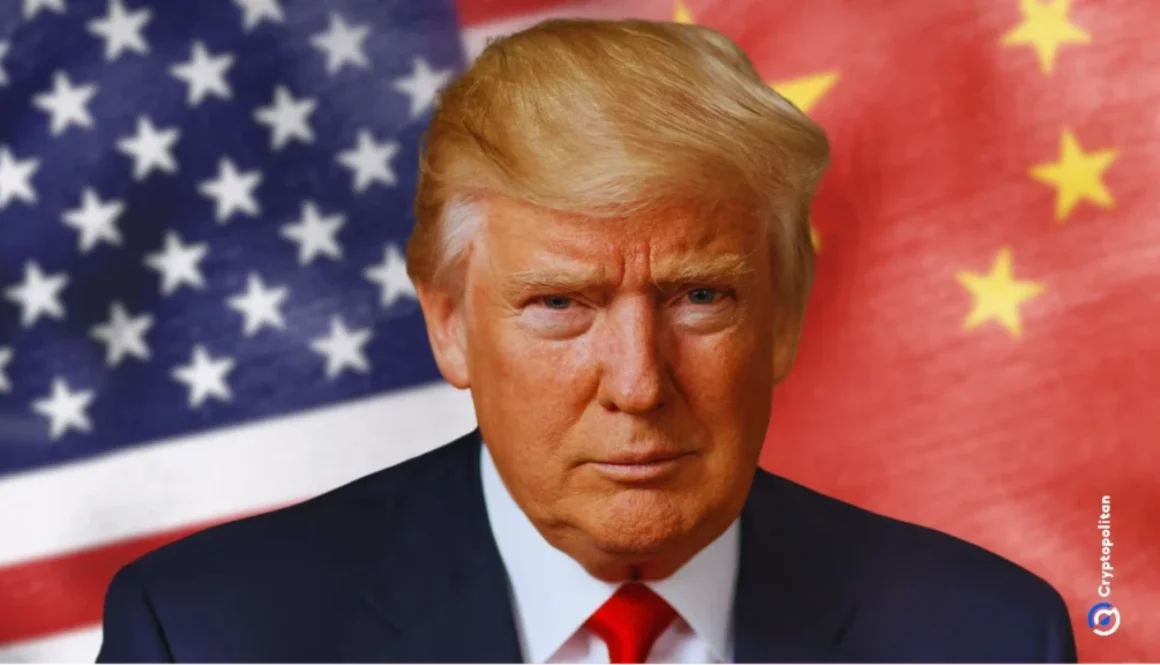
China-US trade deal stalls amid growing uncertainties in their talks
Negotiations between the United States and China over trade tariffs remain stalled as diplomatic discussions fail to produce agreement, with Beijing formally extending an invitation for President Trump to meet Xi Jinping in the Chinese capital. The proposed summit would address contentious issues including tariff policy and fentanyl precursor trafficking, but the White House has not yet responded to the invitation, and sources suggest the likelihood of such a high-level meeting has diminished considerably.
The diplomatic impasse reflects deeper disagreements between Washington and Beijing on how to structure trade relations and address the fentanyl crisis. Previous discussions on both matters have occurred without yielding concrete results, leaving negotiators on both sides searching for a framework that satisfies core demands.
Summit Prospects Fade as Talks Stall
Officials familiar with the ongoing negotiations told reporters that the probability of a formal Beijing summit has declined due to the lack of substantive progress in bilateral talks. As an alternative, sources indicate that Trump and Xi may instead encounter each other in an informal setting during the Asia-Pacific Economic Cooperation forum scheduled for October in South Korea.
The shift toward a potential side meeting rather than a structured summit underscores the tension surrounding these negotiations. Neither side appears confident that a traditional state visit would yield breakthrough outcomes at this stage.
It would be difficult to discuss tariffs and other trade barriers until we resolve the fentanyl precursor issue.
— Steve Daines, U.S. Senator
U.S. Senator Steve Daines, who recently met with Chinese officials in Beijing, articulated a hard-line position reflecting Washington’s priorities. He emphasized that meaningful progress on tariffs requires China to take aggressive action to halt fentanyl ingredient flows into the United States, rather than merely slowing shipments.
Daines indicated that a summit could potentially occur before the end of 2025, offering a modest window for negotiations despite Trump’s earlier suggestion that talks would happen imminently. His remarks highlight how the fentanyl issue has become intertwined with broader trade discussions, complicating efforts to reach common ground.
The U.S. is conditioning progress on trade negotiations with China’s commitment to substantially reduce fentanyl precursor exports to America, not merely slow their pace.
Beijing Counters With Tariff Demands
China has responded by arguing that it has already undertaken considerable efforts on behalf of the United States and is now calling for Washington to ease tariff restrictions on Chinese imports. This countervailing demand complicates negotiations further, as each side seeks concessions from the other.
Beijing’s position carries significance given the April 1 deadline for potential new tariff impositions mentioned by Washington. The timeline adds pressure to discussions while also providing a negotiating reference point for both parties.
Trade analysts have noted a pattern of escalating tariff measures. In February, Trump imposed a 10 percent tariff on Chinese goods, followed by an additional 10 percent in March. These incremental increases prompted China to respond with its own trade restrictions, targeting American agricultural products and suspending soybean imports from three U.S.-based companies.
Trump imposed 10% tariffs on Chinese products in February 2025, followed by another 10% in March. China retaliated by increasing tariffs on U.S. agricultural imports and suspending soybean purchases from specific American suppliers.
Escalating Tensions and Economic Implications
The tit-for-tat tariff measures reflect broader tensions in the bilateral relationship and raise questions about the trajectory of trade policy heading into the middle of 2025. Both nations appear entrenched in their respective positions, making rapid resolution unlikely without significant movement from either side.
Analysts tracking geopolitical developments note that prolonged trade disputes typically create uncertainty across financial markets, including cryptocurrency and commodity sectors. Investors often seek alternative assets during periods of international trade tension.
Trade analysts have speculated that China might respond to any new trade barriers from the US based on recent patterns of retaliation.
— Market observers
The agricultural sector has emerged as a particular point of friction, with China targeting soybeans—a major U.S. export—as leverage in negotiations. This strategy has proven effective in previous disputes and signals Beijing’s willingness to inflict economic pain on key American constituencies.
Broader Context of U.S.-China Trade Relations
The current standoff represents the latest chapter in a prolonged period of trade tension between the world’s two largest economies. Since 2018, when the Trump administration first imposed tariffs on Chinese goods, bilateral trade relations have been characterized by escalating restrictions and retaliatory measures that have fundamentally altered the structure of global commerce.
Industry observers point out that the stakes extend far beyond symbolic trade disputes. American manufacturers, agricultural exporters, and technology companies operating in China face significant uncertainty as tariff policies shift. Similarly, Chinese firms dependent on U.S. market access must navigate unpredictable regulatory environments. Supply chains built over decades are being reassessed as companies calculate the true costs of geopolitical friction.
The tariff escalation cycle has created winners and losers across both economies. Some domestic manufacturers benefit from reduced competition; others struggle with higher input costs. Consumer prices in both nations have experienced upward pressure, though the full impact often lags behind policy announcements as inventories deplete and new pricing structures take effect.
The Fentanyl Factor: Public Health Meets Trade Policy
The inclusion of fentanyl precursor trafficking as a trade negotiation centerpiece reflects the gravity of the U.S. opioid crisis. Synthetic fentanyl and its precursors, primarily manufactured in China, have been linked to tens of thousands of American deaths annually. By linking this public health emergency to trade negotiations, Washington has essentially held tariff relief hostage to Chinese enforcement actions against pharmaceutical manufacturers and traffickers.
Beijing’s position on this issue remains contentious. Chinese officials argue that they have implemented new regulations and conducted inspections, yet American authorities maintain that enforcement remains inadequate. This disagreement over the adequacy of Chinese efforts reflects fundamental differences in how each government measures progress and enforcement success.
The fentanyl linkage complicates traditional trade negotiations because it introduces a non-economic factor with substantial domestic political importance. Any U.S. president seen as weakening pressure on China regarding fentanyl flows faces domestic political consequences, making it difficult to compromise on this front.
Market Implications and Investor Considerations
Financial markets have absorbed the news of stalled negotiations with relative calm, though volatility remains elevated in sectors directly affected by tariffs. Equity markets have shown resilience partly due to expectations that negotiations may resume before deadlines arrive, while bond markets have reflected inflation concerns tied to tariff-driven price pressures.
For investors monitoring market dynamics, the U.S.-China trade situation remains a critical variable. Digital asset markets, in particular, respond sensitively to geopolitical uncertainty. Previous episodes of elevated trade tension have coincided with increased institutional interest in alternative assets, including cryptocurrencies, as portfolio diversification tools.
Supply chain disruption concerns have also elevated interest in reshoring and nearshoring strategies. Companies exploring alternatives to Chinese manufacturing or sourcing may create opportunities in other Asian economies and Latin American markets, with implications for investment flows and currency valuations.
Path Forward Uncertain
As the dispute continues, neither government has signaled willingness to compromise on fundamental issues. The U.S. insists on substantive Chinese action on fentanyl; China demands tariff relief. These competing demands have not been reconciled, and the diplomatic calendar offers limited opportunities for resolution before the April 1 deadline and subsequent APEC forum in October.
The proposed Beijing summit, though currently unlikely, would represent the best opportunity for high-level breakthrough. Short of such a meeting, progress will depend on lower-level negotiators finding creative solutions—perhaps conditional tariff reductions tied to measurable fentanyl enforcement metrics, or phased agreements allowing both sides to claim interim victories.
Observers of market dynamics should monitor these negotiations closely, as trade policy uncertainty historically influences asset valuations and capital flows. For those tracking geopolitical risk, staying informed on bilateral negotiations remains essential.
The situation demonstrates how modern trade disputes extend beyond tariffs alone, encompassing public health concerns, agricultural interests, and broader questions about economic sovereignty. Resolution will likely require creative diplomacy and mutual concessions neither party currently appears willing to make. The coming months will prove decisive in determining whether diplomatic channels can overcome the substantial obstacles currently blocking agreement.
Get weekly blockchain insights via the CCS Insider newsletter.