
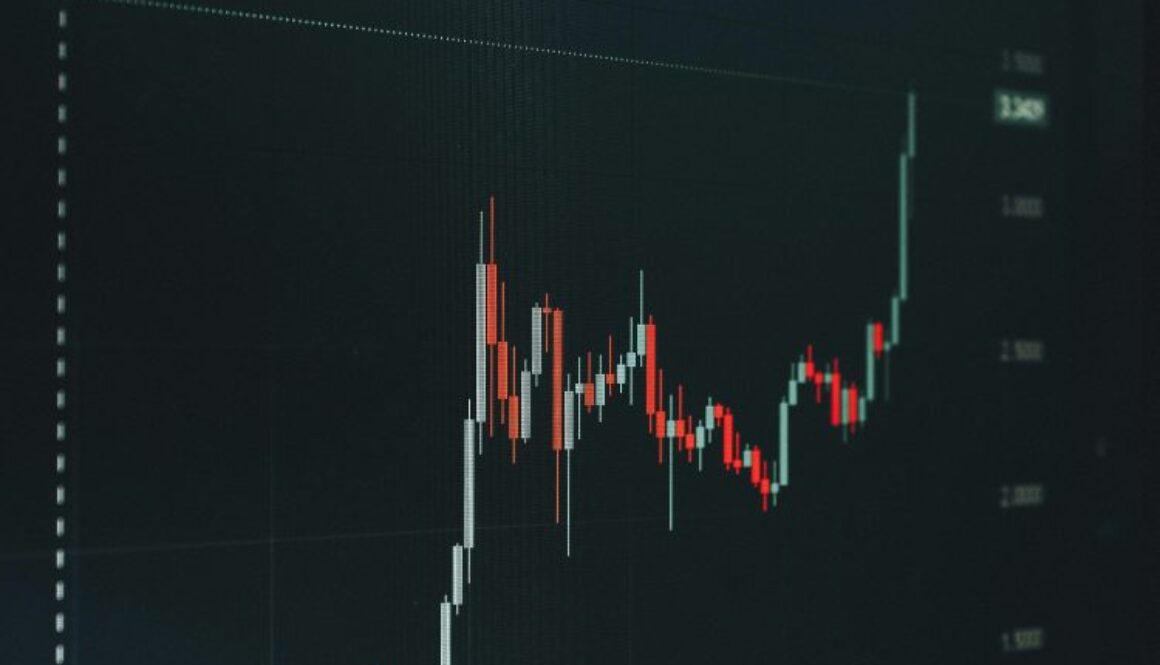
XRP Mirrors 2016 Trend That Led To 69% Crash Before 110,000% Rally
XRP is currently navigating a critical technical juncture that echoes patterns from its 2016 market cycle, according to analysis by crypto researcher ChartNerd. The asset, which hit an all-time high of $3.65 in July, has retreated to trade near $2.04 and faces potential further downside if historical price structures repeat themselves.
Structural Parallels to 2016
ChartNerd’s technical framework identifies striking similarities between XRP’s current price behavior and a specific pattern that unfolded in late 2016. At that time, the asset rejected a key supply accumulation zone and subsequently entered a corrective ABC structure that proved severe but ultimately temporary.
That earlier correction produced a 69% decline that extended into the first quarter of 2017, pushing XRP to lows near $0.00240. Despite the magnitude of that drop, it represented merely a structural reset within a larger bullish cycle rather than a trend reversal.
If history repeats, a full 69% ABC-style move from the all-time high would drag XRP back below $1 and as low as $0.8.
— ChartNerd, Crypto Analyst
The current setup displays comparable rejection dynamics. Since July’s peak, XRP has printed consecutive monthly red candles, with closes consistently below opens—a bearish technical signature. At present, the asset sits approximately 44% below its all-time high, suggesting additional downside remains if the analogy holds.
A complete 69% correction from the $3.65 July high would place XRP between $0.80 and $1.10, representing a 51-60% decline from current levels near $2.04.
Timeline and Correction Phase
The technical thesis projects this corrective phase extending into the first quarter of 2026. This multi-month consolidation period would mirror the duration and severity of the 2016 correction, establishing what ChartNerd characterizes as a structural reset rather than a fundamental deterioration of the asset’s longer-term prospects.
The psychological challenge of such a move cannot be understated. A pullback of that magnitude would likely test conviction among bullish traders and potentially trigger capitulation in leveraged positions. Yet the framework interprets deeper declines as preparatory, not destructive.
Market participants should note that XRP price action remains subject to real-world variables, including flows into recently approved spot ETF products, which have provided consistent institutional demand.
The Post-Correction Rally Thesis
What makes this technical scenario noteworthy is the projected recovery phase. Following the 2016 correction, XRP entered one of its most explosive rallies on record, delivering gains exceeding 110,000% by late 2017. If current patterns replicate, a comparable setup could develop later in 2026.
The analysis projects an upside target of approximately $27 based on a 1.618 Fibonacci extension from the corrective lows. This would equate to roughly 2,300% gains measured from the anticipated reset zone. Such projections should be treated as theoretical frameworks rather than price forecasts.
The chart projects a long-term advance to the 1.618 Fibonacci extension, placing a potential upside target around $27 following the corrective phase.
— ChartNerd Technical Analysis
XRP’s current positioning within the broader crypto market carries distinct characteristics compared to the 2016 period. The asset now commands significantly greater liquidity, institutional participation through spot ETF vehicles, and regulatory clarity in certain jurisdictions. Ripple Labs, the company behind XRP, has invested heavily in establishing the XRP Ledger as an enterprise-grade infrastructure for cross-border payments and digital asset settlement.
The cryptocurrency industry has matured substantially since 2016. Market capitalization has expanded from approximately $17 billion to over $2 trillion during peak cycles. Institutional adoption has progressed from speculative positioning to strategic treasury allocations by major corporations. This evolution affects how assets like XRP respond to technical patterns, as new market participants operate under different risk frameworks and time horizons than early-stage retail speculators.
For XRP specifically, the introduction of spot exchange-traded funds in major markets represents a structural shift in capital accessibility. These products enable traditional investment vehicles—pensions, mutual funds, and advisory accounts—to gain XRP exposure without navigating direct custody or exchange account opening. This institutional infrastructure layer did not exist during the 2016 cycle and could materially alter price discovery mechanisms and correction dynamics.
These structural market improvements could influence both the correction phase and subsequent recovery dynamics. The availability of institutional products may either cushion downside moves through steady accumulation or amplify volatility through leverage and position sizing. The relationship between retail speculation, institutional accumulation, and technical pattern replication remains an active area of market debate.
Competitive Positioning and Market Implications
The broader payments and blockchain infrastructure sector has become increasingly competitive since XRP’s previous major cycle. Alternative layer-one networks, central bank digital currencies, and enhanced traditional payment rails have fragmented the opportunity set. Understanding XRP’s technical trajectory requires considering its competitive moat within the digital asset ecosystem.
Ripple’s strategic focus on enterprise adoption and institutional partnerships distinguishes XRP from purely speculative assets. Banks and payment providers evaluating the XRP Ledger face different criteria than retail traders evaluating price charts. A severe technical correction might actually accelerate enterprise evaluation by reducing speculative noise and attracting fundamental-focused participants.
The projected Q1 2026 correction timeline carries implications for business development cycles at Ripple and adoption momentum among financial institutions. Market weakness often creates opportunities for contract negotiations and deeper technical integration discussions, as both parties can focus on long-term value creation rather than short-term price movements.
Technical corrections can create opportunities for enterprise partnerships in mature blockchain ecosystems. Banks and institutions often evaluate payment infrastructure during market downturns when speculative excess has been purged and fundamental valuations become clearer.
What Investors Should Monitor
- Monthly candle closes and whether successive red candles continue forming below the 200-week moving average
- Support levels between $1.60 and $1.10 as potential staging grounds for consolidation
- ETF inflow data to assess institutional accumulation during potential drawdowns
- Regulatory announcements that could shift the risk-reward calculus materially
- Broader crypto market sentiment and Bitcoin correlation patterns
- Enterprise adoption metrics and payment volume on the XRP Ledger during correction phases
- Competitive developments in central bank digital currencies and alternative payment networks
The technical framework presented by ChartNerd merits serious consideration within a comprehensive investment analysis process. However, it should be integrated with fundamental research, risk management protocols, and individual financial circumstances rather than applied in isolation.
Synthesis and Investment Perspective
The parallel between XRP’s current technical setup and its 2016 correction offers valuable analytical perspective but cannot serve as a deterministic model for future price action. Markets incorporate evolving information, participant composition changes, and structural conditions shift continuously. The 2016 correction occurred within an emerging cryptocurrency market characterized by limited institutional participation, nascent regulatory frameworks, and minimal enterprise adoption.
Today’s market features mature infrastructure, substantial institutional capital deployment, clearer regulatory pathways in several jurisdictions, and demonstrable enterprise interest in XRP’s use cases. These differences suggest that while technical patterns may rhyme, they will not necessarily replicate with precision.
For investors and traders, the framework provided by ChartNerd establishes reasonable risk parameters for position management. A potential 50-60% decline from current levels represents material downside that prudent portfolio construction should address through position sizing, stop-loss protocols, or hedging strategies. Simultaneously, the projected recovery thesis offers context for understanding how corrections function within longer-term bull market structures.
The period extending from now through Q1 2026 likely determines whether XRP’s technical narrative continues along the path suggested by this analysis. Accumulation of monthly red candles, breakdown through critical support levels, and validation of lower timeframe chart patterns would strengthen the correction case. Conversely, stabilization above key support, institutional ETF inflows, and positive enterprise adoption announcements could invalidate the bearish technical thesis.
Investors should establish clear decision points for position management rather than passively accepting predetermined price targets. Technical analysis identifies probabilities, not certainties. Fundamental shifts in adoption, regulatory status, or competitive positioning warrant reassessment of technical frameworks.
For those maintaining positions in XRP or considering entries, understanding the technical risks and potential timelines helps inform position sizing and contingency planning. The potential for significant volatility in either direction remains elevated across the cryptocurrency complex. Portfolio construction should reflect this volatility explicitly rather than treating it as an unexpected outcome.
Additional perspective on crypto market developments and asset-specific analysis can provide fuller context for navigation of current market conditions.
Get weekly blockchain insights via the CCS Insider newsletter.