
Tether Makes Bold Reserve Pivot Toward Bitcoin And Gold As Treasury Holdings Decline
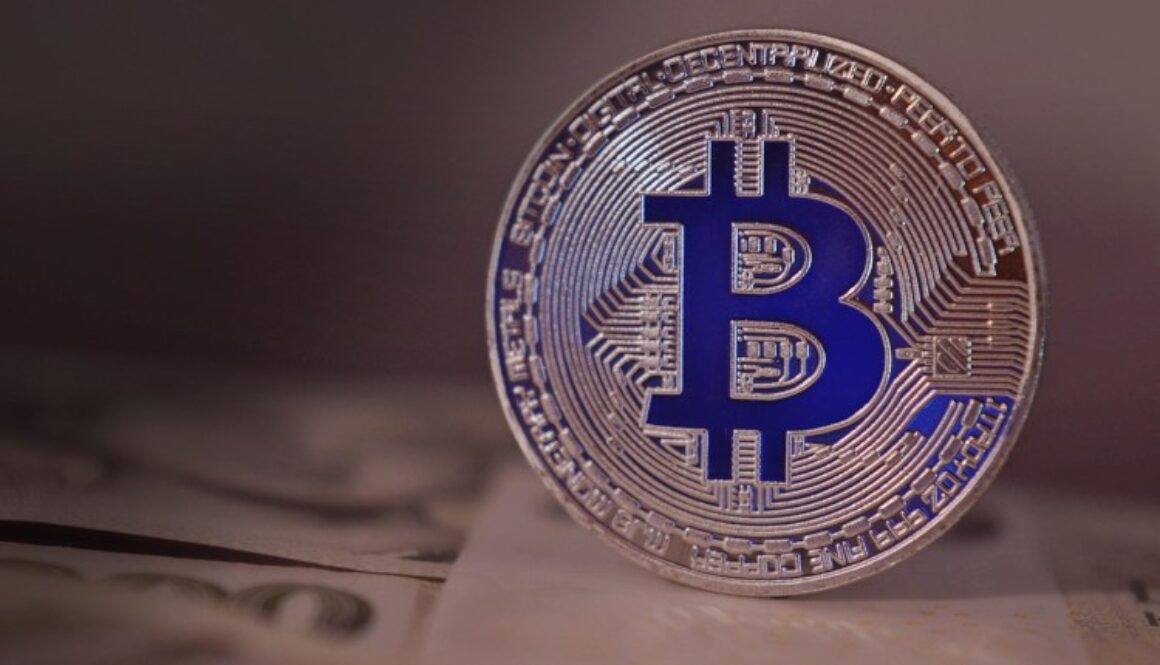
Tether is making a strategic pivot in how it manages reserves backing the USDT stablecoin, reducing exposure to U.S. government debt while building positions in Bitcoin and gold. The shift reflects expectations about monetary policy and broader concerns about traditional finance, marking one of the most significant moves the stablecoin issuer has made in recent years as it recalibrates its $174 billion in outstanding tokens.
Treasury Holdings Decline as Macro Environment Shifts
The Tether reserve rebalancing comes at a moment of uncertainty in Federal Reserve policy and global financial markets. By decreasing reliance on U.S. Treasury securities, which have historically formed the backbone of USDT’s reserve backing, the company is signaling its conviction that the current interest rate environment may not persist.
Industry observers have connected Tether’s moves to anticipated changes in Fed policy direction. The company appears to be positioning itself ahead of what some analysts expect could be the central bank’s next round of interest rate reductions, a shift that would fundamentally alter the yield calculations that have made Treasury holdings attractive.
Tether is quietly repositioning itself for what the company expects to be the Federal Reserve’s next round of rate cuts.
— CryptosRus, Crypto Analysis
Tether CEO Paolo Ardoino has defended the reserve composition, emphasizing that the company holds no problematic or “toxic” assets. He has framed Tether’s expansion and evolving asset strategy as part of a broader shift toward financial systems operating outside traditional banking infrastructure, suggesting this is simply the natural evolution of the stablecoin’s role in the digital economy.
Tether is reducing U.S. Treasury exposure while increasing allocations to Bitcoin and gold—assets less correlated with traditional financial markets and central bank policy decisions.
Market Concerns About Asset Volatility
Not all observers have welcomed Tether’s reserve reallocation without reservation. Rating agencies and financial analysts have raised questions about concentrating reserves in more volatile assets. The concern centers on how a significant market downturn could affect USDT’s stability and the equity cushion protecting the stablecoin from value fluctuations.
Standard & Poor’s Global has noted that Tether’s reserve composition now includes assets with substantially larger price swings compared to the stability of government securities. This shift could theoretically expose USDT holders to additional risk during market stress, even if such scenarios remain unlikely under normal redemption patterns.
Analysts have modeled scenarios where risk assets decline sharply. If Bitcoin and gold holdings were to drop 30% simultaneously, some calculations suggest this could materially impact Tether’s equity buffer—the financial cushion that prevents the stablecoin from becoming undercapitalized. However, such extreme simultaneous declines across both asset classes represent tail-risk scenarios rather than baseline expectations.
Understanding Tether’s Operational Model
Understanding Tether’s vulnerability requires grasping how the stablecoin actually operates. Unlike the common misconception that USDT must be backed 100% by cash, the system functions more similarly to fractional-reserve banking used by traditional financial institutions worldwide.
Tether maintains a diverse portfolio of assets—including Bitcoin, gold, Treasury securities, and other yield-generating instruments—that collectively back the 174 billion USDT tokens in circulation. As long as this portfolio maintains sufficient value relative to outstanding USDT and redemption requests flow at normal rates, the system operates without friction.
USDT isn’t fully backed by cash, but it’s backed by a diverse portfolio including U.S. treasuries, yield-generating assets, and some risk assets scaled to a massive $174 billion stablecoin.
— Crypto analyst assessment
The critical distinction is between ordinary market conditions and panic scenarios. During normal operations with regular redemption patterns, Tether’s reserve mix functions as intended. However, if irrational panic selling occurred simultaneously across many USDT holders, liquidity stress could theoretically emerge rapidly, regardless of the underlying asset portfolio’s actual value.
Tether operates on a fractional-reserve model similar to traditional banks. Stability depends on normal redemption patterns and confidence, not 100% cash backing.
This dynamic has made Tether the subject of recurring skepticism and concern throughout its existence. Yet despite a decade of criticism and periodic “fear, uncertainty, and doubt” narratives questioning USDT’s viability, the stablecoin has consistently maintained its dollar peg and remained fully liquid under all market conditions tested so far.
Industry Context and Market Implications
Tether’s reserve strategy shift occurs within a rapidly evolving stablecoin landscape. The global stablecoin market has expanded dramatically, with total market capitalization exceeding $150 billion as of 2024, making reserve management decisions increasingly consequential for the broader cryptocurrency ecosystem and traditional finance integration.
The move comes amid growing regulatory scrutiny from central banks and financial authorities worldwide. The Financial Stability Board and various national regulators have been developing frameworks for stablecoin oversight, making transparency and prudent reserve management essential for long-term viability. Tether’s decision to diversify reserves into volatile assets like Bitcoin simultaneously signals confidence in digital assets while potentially complicating regulatory relationships that have historically emphasized conservative backing strategies.
Competitors in the stablecoin space, including Circle (USDC) and Paxos (USDP), have maintained more conservative reserve compositions, primarily backed by cash and short-term U.S. Treasury securities. This divergence in strategy creates a competitive dynamic where Tether’s higher-yielding approach potentially offers advantages during favorable market conditions but introduces relative disadvantages during volatility spikes or regulatory pressure.
The reserve reallocation also reflects the maturation of cryptocurrency as an asset class. Ten years ago, Bitcoin holdings in institutional treasuries were virtually nonexistent. Today, major corporations, pension funds, and financial institutions actively maintain Bitcoin allocations, reducing the perception of digital assets as speculative rather than portfolio diversification tools. Tether’s move acknowledges this shift and positions USDT at the intersection of traditional and digital finance infrastructure.
Tether’s Evolution and Market Position
Founded in 2014, Tether emerged as a response to banking relationships challenges facing cryptocurrency exchanges. The company provided a mechanism for traders to move between fiat and crypto without constant bank account access, solving a critical liquidity problem in early digital asset markets. Over a decade, USDT has become the dominant stablecoin, commanding approximately 70% of the stablecoin market by transaction volume and reserve backing.
This dominance reflects several factors: USDT’s deep liquidity across nearly every cryptocurrency exchange globally, its availability on multiple blockchain networks (Ethereum, Tron, Bitcoin layer-2 solutions, and others), and simple widespread acceptance among traders and institutions. However, market concentration this significant invites regulatory attention and creates systemic importance that impacts how Tether’s decisions ripple through cryptocurrency and broader financial markets.
The company’s profitability has strengthened substantially, with recent reports indicating annual revenues exceeding $5 billion and net margins around 30-40%. This profitability partly derives from Treasury holdings—maintaining yield on reserve assets has become a significant revenue source. The shift toward Bitcoin and gold reflects management’s desire to maintain yield generation while repositioning relative to anticipated monetary policy changes that could compress Treasury yields further.
Future Stability in an Evolving Landscape
Tether’s reserve pivot reflects genuine changes in the macroeconomic and regulatory environment facing stablecoins. As central banks adjust monetary policy and digital asset adoption accelerates, how reserve backing evolves will remain important for maintaining confidence in USDT’s stability.
The stablecoin’s track record through previous crises and market volatility suggests that the system possesses genuine resilience. However, the shift toward more volatile reserve assets does introduce variables that weren’t present when Tether held primarily Treasury securities. Whether this represents a prudent adaptation or an unnecessary risk depends largely on how conviction plays out regarding Fed policy and broader macro conditions.
The reserve composition question will likely continue attracting regulatory scrutiny as stablecoins become increasingly central to digital finance infrastructure. Policymakers and market participants will be watching closely whether Tether’s new approach delivers the benefits of increased yield and macro positioning without introducing destabilizing risks. European Union regulations already taking effect establish reserve requirements that could pressure other stablecoin issuers, potentially creating competitive advantages for firms with stronger capital positions.
Tether’s strategic repositioning ultimately reflects confidence that digital assets and non-traditional backing mechanisms can sustain a stablecoin worth nearly $200 billion in circulation. For the broader cryptocurrency market, the implications are significant: if Tether successfully maintains its peg and stability while holding substantial Bitcoin and gold reserves, it validates the viability of digital assets as institutional-grade collateral. Conversely, any disruption to Tether’s operations would create systemic shockwaves affecting exchanges, traders, and institutions dependent on USDT liquidity.
For users holding USDT or considering whether to trust the stablecoin with significant value, the reality remains straightforward: Tether has survived its critics and maintained its peg through multiple market cycles. Whether it continues to do so depends on maintaining confidence that the reserve assets—however they’re composed—provide sufficient backing under normal market conditions and credible management of the stablecoin system overall. The reserve shift represents a calculated bet on the future, placing Tether at the vanguard of digital finance infrastructure evolution while accepting additional volatility exposure in exchange for strategic positioning and yield optimization.
Get weekly blockchain insights via the CCS Insider newsletter.