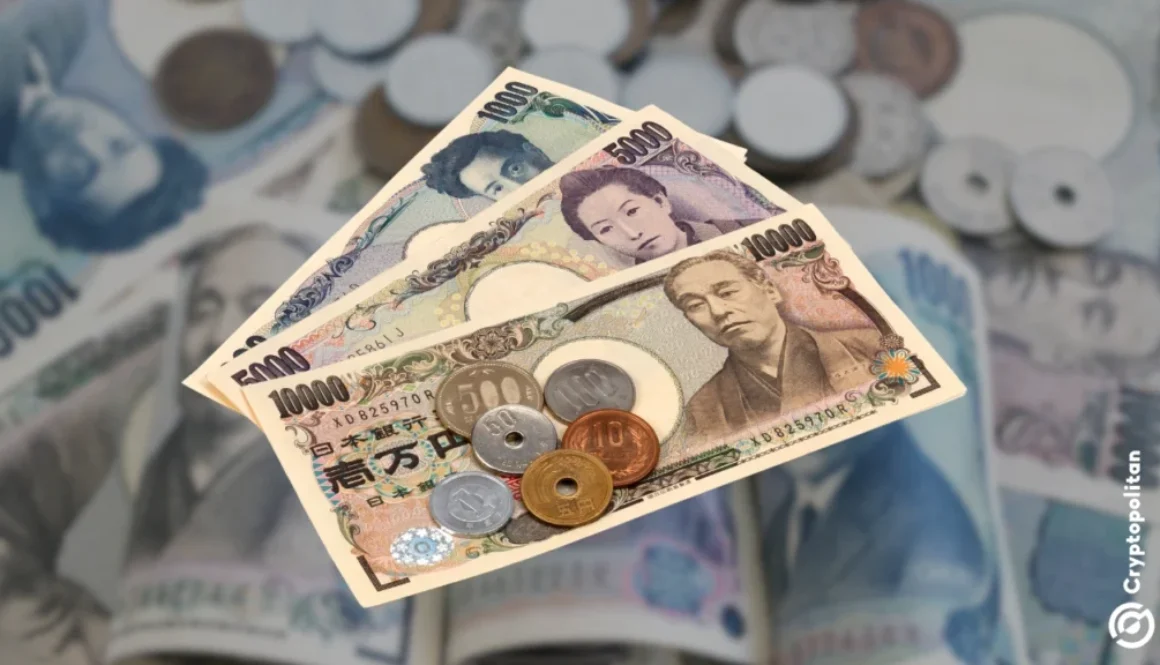
Japan signals path to crypto ETF approval by 2028
Japan is mapping out a structured timeline toward cryptocurrency ETF approval by 2028, marking a significant pivot from its historically restrictive regulatory stance toward measured integration of digital assets into mainstream financial markets. The shift signals that Tokyo’s financial authorities now view regulated, exchange-traded crypto products as compatible with investor protection rather than fundamentally incompatible with it.
The world’s third-largest economy has long maintained an ambivalent relationship with digital currencies. Japan was an early mover in recognizing Bitcoin’s legal status, yet responded to major exchange failures and market volatility with enforcement regimes among the world’s most stringent. This tension between curiosity and caution has defined Japanese crypto policy for nearly a decade.
A Measured Regulatory Transition
The path to crypto ETF approval reflects a deliberate recalibration rather than a sudden reversal. Japanese regulators increasingly acknowledge that properly structured, exchange-traded products can broaden investor access to digital assets while preserving the safeguards that institutional participation demands. ETFs address a fundamental friction point: they allow investors to gain cryptocurrency exposure without managing direct custody risks or navigating the operational complexities of asset ownership.
This framework represents a recognition that regulation and innovation need not work at cross purposes. Instead of banning or severely restricting access, Tokyo’s approach leverages existing market infrastructure—the stock exchange, established custodians, transparent pricing mechanisms—to create safer entry points for both retail and institutional participants.
The timeline to 2028 reflects a measured implementation strategy rather than hastened approval, suggesting policymakers intend to establish precedent-setting frameworks that could influence how other developed economies approach crypto integration.
— Asia-based Market Strategist
Japan’s regulatory roadmap targets cryptocurrency ETF approval by 2028, allowing time for consultation, framework development, and investor protection mechanisms to mature before products reach the market.
Context: Japan’s Evolving Crypto Landscape
Japan’s cryptocurrency market has undergone significant transformation since 2017, when the Payment Services Act first established a regulatory framework distinguishing Japan from jurisdictions that either embraced or rejected digital assets outright. The 2018 Coincheck exchange hack—which resulted in $530 million in stolen cryptocurrency—initially reinforced regulatory caution. However, rather than abandoning the sector, Japanese authorities learned to distinguish between technology risk and market structure risk.
Over the past five years, Japan’s cryptocurrency exchange sector has professionalized considerably. The Financial Services Agency (FSA) has conducted regular on-site inspections, enforced strict capital adequacy requirements, and mandated segregation of customer assets. This regulatory maturation has reduced systemic risks substantially. Today, Japan maintains approximately 30 licensed cryptocurrency exchanges, many operated by subsidiaries of major financial institutions.
The proposed ETF framework builds upon this foundation of demonstrated operational competence. Rather than introducing cryptocurrency to Japanese markets for the first time, ETF approval would simply offer an alternative market structure for assets that Japanese retail and institutional investors already access through direct exchange purchases.
Major Players Position for Market Entry
Financial institutions including Nomura and SBI Holdings are widely viewed as frontrunners to launch Japan’s first cryptocurrency ETFs. Both firms command substantial distribution networks, institutional client bases, and regulatory credibility that position them advantageously for approval when the window opens.
These players have invested heavily in digital asset infrastructure over recent years. Their involvement signals that major traditional finance actors see genuine medium-term opportunity in crypto market infrastructure, not mere speculation. When titans of Japanese finance compete for ETF licenses, it validates the sector’s legitimacy among institutional decision-makers.
The competitive dynamic matters. Multiple entrants would likely drive down fees, improve product quality, and give investors meaningful choice—all outcomes that validate a functioning, competitive market rather than a monopolistic arrangement. Nomura, with its global investment banking operations, brings institutional distribution capabilities spanning North America, Europe, and Asia-Pacific. SBI Holdings, diversified across banking, securities, and venture capital, brings deep domestic penetration and existing cryptocurrency exchange operations through SBI VC Trade.
This competition among industry incumbents contrasts sharply with earlier regulatory eras when traditional finance kept distance from digital assets. Now, being excluded from crypto market participation represents competitive risk, not prudential benefit.
Institutional Capital Flows and Market Implications
Approval of crypto ETFs would unlock capital currently constrained by regulatory friction or custody concerns. Japanese institutional investors—pension funds, insurance companies, asset managers—have largely stayed on the sidelines of direct cryptocurrency ownership. An ETF structure removes that barrier while maintaining fiduciary responsibility standards that institutional trustees require.
The scale of potential inflows is substantial. Japan’s domestic institutional asset base exceeds $3 trillion. Even modest reallocation into crypto allocations would represent meaningful capital entry into Bitcoin and other major digital assets.
Japan’s $3+ trillion institutional asset base remains largely unexposed to cryptocurrency. ETF approval could unlock significant capital flows if institutions adopt even small crypto allocations as portfolio diversifiers.
Japanese pension funds in particular represent enormous capital pools. The Government Pension Investment Fund (GPIF), which manages approximately $1.7 trillion in assets, has previously signaled openness to alternative assets. If GPIF or similar mega-funds allocated even 0.5% of assets to cryptocurrency, the capital influx would exceed $8.5 billion—a scale that would substantially affect global cryptocurrency market depth and pricing.
Beyond Japan’s borders, the regulatory precedent matters enormously. How Tokyo structures crypto ETF oversight will likely influence deliberations in Europe, Canada, and other developed markets where regulators remain cautious. Japan’s standing as a financial center means its framework choices carry disproportionate weight in global regulatory conversations. The European Union, currently developing its Markets in Crypto Assets Regulation (MiCA), is monitoring Japan’s approach closely as a comparative reference point.
Regulatory Philosophy and Global Competition
Japan’s deliberate timeline reflects a strategic choice about how to compete globally in digital finance. Rather than rushing to approval or maintaining blanket prohibition, Tokyo is attempting to establish itself as the jurisdiction that proves regulation and innovation can coexist productively. This positioning matters in an era where financial services firms increasingly migrate operations toward crypto-friendly jurisdictions like Singapore, Dubai, and El Salvador.
The 2028 target also acknowledges that regulatory frameworks require time to develop. Authorities must address custody standards, market surveillance, product disclosure requirements, and tax treatment before launch. This preparation reduces both the risk of post-launch crises and the likelihood of reactive tightening after products begin trading. Japan’s FSA has indicated that it will work with major financial institutions to develop best-practice standards during the approval window, ensuring that frameworks reflect both regulatory expectations and operational realities.
Other developed economies are watching closely. Jurisdictions ranging from Australia to the United Kingdom have faced similar pressures: should we facilitate or restrict cryptocurrency market participation? Japan’s answer—structured facilitation through regulated products—offers a middle path that appeals to policymakers seeking to balance innovation with investor protection.
Cryptocurrency regulatory developments globally have accelerated in recent years, but few major markets have articulated a clear, staged pathway as explicitly as Japan has. This clarity offers investors and institutions visibility into future market structure, reducing uncertainty. It also provides market participants time to prepare infrastructure, legal frameworks, and product offerings before competition intensifies.
By establishing a structured pathway for institutional participation, the country aims to reclaim leadership in digital finance while demonstrating that robust regulation and innovation need not be mutually exclusive.
— Market Observers
The timing also positions Japan ahead of potential competitors. If major cryptocurrency markets experience price volatility or regulatory setbacks before 2028, Japan’s measured approach may look even more prudent. Conversely, if digital assets integrate smoothly into global finance, early-moving institutional players will have captured significant market share and earned customer trust.
Long-Term Implications for Digital Finance Integration
Japan’s path to crypto ETF approval represents a broader evolution in how developed economies perceive digital assets. The approval timeline suggests confidence that cryptocurrency markets are maturing toward institutional-grade infrastructure. It also reflects confidence in Japan’s ability to regulate complex financial innovations without either strangling them or leaving investors vulnerable.
The coming years will test whether this balanced approach works in practice. Success would validate the model globally and likely accelerate similar approvals elsewhere. Setbacks would provide ammunition to skeptics arguing that cryptocurrency markets remain too volatile or manipulated for institutional participation vehicles. Either way, Japan’s 2028 target will define a critical moment in how mature financial systems integrate digital assets into mainstream investment frameworks.
For investors, the implications are substantial. The eventual approval of cryptocurrency ETFs would offer easier access, lower barriers to entry, and the regulatory oversight that professional investors demand. For the broader financial system, it signals that policymakers have moved beyond viewing cryptocurrency as a speculative sideshow and now recognize it as an infrastructure element requiring thoughtful integration into regulated markets.
Get weekly blockchain insights via the CCS Insider newsletter.