Bhutan migrates national digital ID to Ethereum
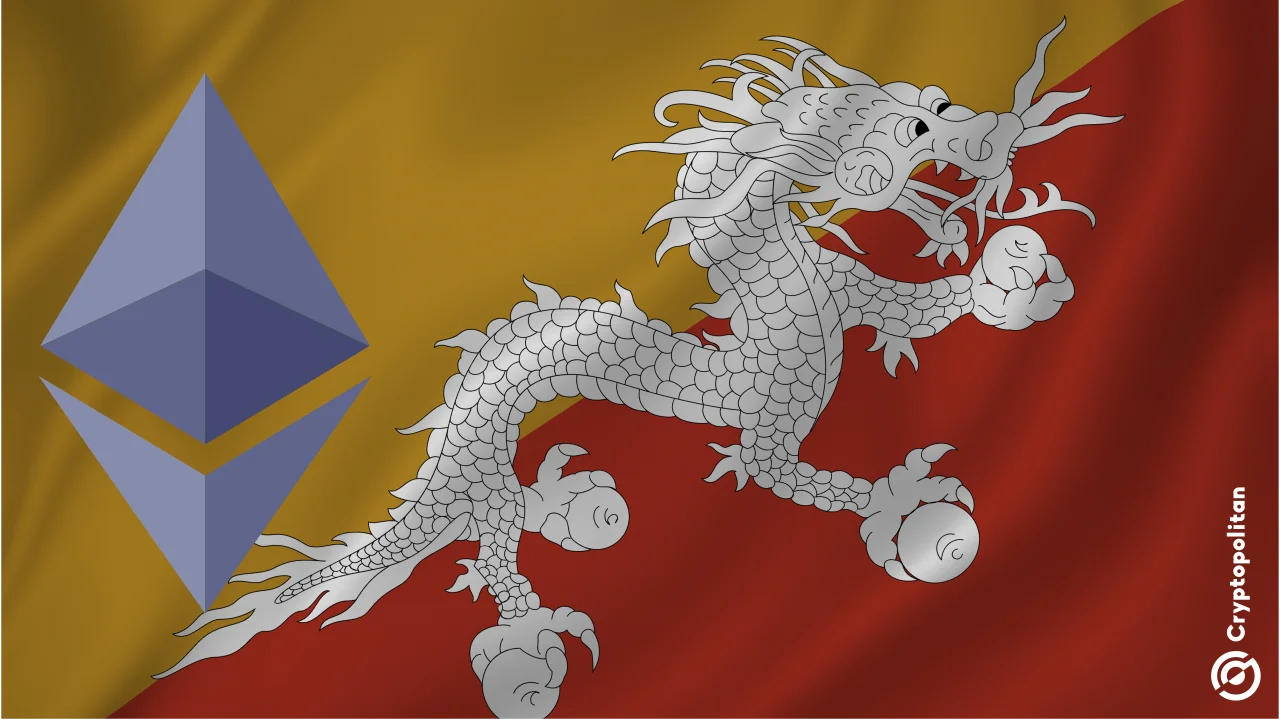
The Kingdom of Bhutan is transitioning its national identity system onto the Ethereum blockchain, becoming the first country to anchor its core digital identification infrastructure on a public, decentralized network. This shift represents a fundamental reimagining of how governments can manage citizen data—moving away from vulnerable, centralized databases toward a transparent, blockchain-based model that gives individuals ownership of their own credentials.
A New Model for National Identity
Bhutan’s National Digital Identity platform, established following the country’s 2023 election, now operates on Ethereum’s distributed ledger. The migration enables citizens to generate verifiable credentials, digitally sign documents, and prove their identity directly on a public blockchain without reliance on a single point of failure.
The architecture reflects what technologists call self-sovereign identity, or SSI—a framework where individuals control their own data rather than ceding it to government or corporate intermediaries. Bhutan now operates the only national-scale system offering this capability to its entire population.
By utilizing Ethereum’s globally distributed and decentralized infrastructure, they aimed to enhance the security, transparency, and availability of Bhutan’s critical systems.
— Prime Minister Lyonchen Tshering Tobgay
During the platform’s launch, His Royal Highness became Bhutan’s first digital citizen, symbolizing the government’s commitment to the technology it is asking citizens to adopt.
Security and Transparency Benefits
Centralized identity databases have proven attractive targets for hackers and state actors. By distributing identity records across Ethereum’s network of thousands of nodes, Bhutan reduces the risk that a single breach could compromise millions of citizens’ personal information.
No single entity controls the system. The ledger’s immutability means records cannot be retroactively altered, and transparency means changes are auditable by all participants.
The decentralized approach also aligns with principles of citizen empowerment. Rather than trusting a government agency to protect sensitive data, individuals hold cryptographic keys to their own identity credentials. This shift in control is intentional—it reflects a philosophy that digital infrastructure should serve citizens first.
Prime Minister Tobgay framed the initiative within Bhutan’s broader vision of creating an interoperable identity system that connects the nation to global digital ecosystems while maintaining security and inclusion. The system upholds what he described as His Majesty the King’s vision of a digitally empowered society.
International Recognition and Endorsement
Ethereum Foundation President Aya Miyaguchi characterized Bhutan’s adoption as a demonstration of how blockchain can establish open, inclusive systems that prioritize citizens over institutions. The endorsement from blockchain leaders carries symbolic weight, validating the technical and governance choices Bhutan made.
Vitalik Buterin, Ethereum’s co-founder, emphasized that decentralized digital identity represents a fundamental building block for the internet’s future. He noted that Bhutan’s embrace of open-source architecture on Ethereum exemplifies the platform’s intended purpose: enabling meaningful social and economic change through transparent, collaborative technology.
Decentralized digital identity is a fundamental building block for the future of the internet, and Bhutan’s adoption of an open architecture built on Ethereum demonstrates the purpose behind creating the platform.
— Vitalik Buterin, Co-founder, Ethereum
The international attention reflects growing recognition that blockchain infrastructure, when properly designed, can address governance challenges that have persisted for decades. Ethereum’s role as the platform for this experiment underscores its position beyond cryptocurrency markets—as infrastructure for institutional and governmental use cases.
Digital Transformation and Values
Bhutan’s approach reflects what observers describe as “technology with values”—a philosophy prioritizing integrity, ethics, and citizen empowerment alongside innovation. This contrasts with digital identity programs in other nations, which often concentrate power in state agencies with limited citizen oversight.
The timing matters. As governments worldwide face pressure to modernize identity systems, Bhutan demonstrates that decentralization need not mean fragmentation. A public blockchain can serve as reliable infrastructure while allowing citizens meaningful control over their own data.
The Himalayan kingdom of roughly 750,000 people has established itself as a leader in digital governance innovation. Its commitment to carbon neutrality and citizen-centered development has informed this blockchain adoption.
Recent blockchain developments in government and identity systems suggest Bhutan is ahead of a broader trend. El Salvador’s Bitcoin adoption garnered headlines, but Bhutan’s identity migration may prove more consequential for everyday citizens and state operations.
The transition also demonstrates how blockchain technology, independent of price speculation or trading dynamics, can reshape institutional infrastructure. This distinction matters for understanding blockchain’s long-term relevance beyond financial markets.
Industry Implications and Global Market Trends
Bhutan’s implementation signals a shift in how governments globally perceive blockchain infrastructure. The digital identity market, valued at approximately $8.2 billion in 2023, is projected to grow at 14.7% annually through 2030, driven largely by governmental and institutional adoption. Bhutan’s deployment accelerates this timeline significantly.
The blockchain-based identity sector now encompasses multiple use cases beyond national systems: financial inclusion for unbanked populations, supply chain authentication, healthcare credential verification, and cross-border digital services. Bhutan’s example demonstrates that sovereign governments, particularly smaller nations seeking technological differentiation, view blockchain as a credible infrastructure choice.
Other developing nations are monitoring Bhutan’s implementation closely. Countries facing legacy infrastructure constraints and limited resources for centralized system maintenance see blockchain’s distributed model as economically attractive. The operational costs of running Ethereum-based systems through existing node networks compare favorably to building and maintaining proprietary centralized databases.
Major technology providers and identity platforms are adapting their strategies accordingly. Companies focused on traditional government identity solutions face competitive pressure from blockchain-native identity protocols. This market shift reflects recognition that citizens increasingly expect portability, transparency, and personal control over identity credentials.
Technical Implementation and Interoperability
The technical architecture of Bhutan’s system uses Ethereum’s smart contract functionality to enable credential issuance, verification, and revocation. Citizens interact with the system through a user-friendly interface, while the underlying cryptographic operations occur on the Ethereum network.
This implementation emphasizes interoperability—Bhutan’s digital credentials can theoretically integrate with other blockchain-based systems, international standards, and conventional identity verification platforms. This bridges the gap between legacy infrastructure and decentralized systems, a critical requirement for national-scale adoption.
The open-source nature of Bhutan’s architecture means other governments can study, adapt, and deploy similar systems without licensing fees or vendor lock-in. This democratization of identity infrastructure represents a significant shift from traditional government procurement patterns, where proprietary solutions dominate and create long-term dependencies.
Governance and Privacy Considerations
While blockchain’s transparency is a security advantage, Bhutan has implemented privacy-preserving mechanisms. Citizens’ identities are linked to public addresses through cryptographic commitments rather than exposed on the ledger itself. This balance between transparency and privacy represents sophisticated governance design—the system verifies authenticity without unnecessary data exposure.
Regulatory frameworks for blockchain-based identity systems remain evolving globally. Bhutan’s proactive approach—implementing a mature system before international regulations solidify—positions the nation as a standard-setter rather than a follower in this emerging field.
Looking Forward: Bhutan as a Model and Pioneer
Bhutan’s migration of its national digital identity to Ethereum represents a watershed moment. The country has moved beyond pilot projects or theoretical discussions to operational deployment at a national scale. Its citizens now hold verifiable credentials on a public ledger, managed through cryptographic keys they control themselves.
As other nations evaluate their own digital identity strategies, Bhutan’s experiment will likely inform policy conversations globally. The question is no longer whether blockchain can support identity systems, but how other governments will adapt these lessons to their own contexts and populations.
The long-term implications extend beyond identity management. If Bhutan’s blockchain infrastructure proves secure, efficient, and citizen-friendly over five to ten years, governments may apply similar decentralized models to land registries, business licensing, health records, and voting systems. What begins as identity becomes a foundation for reimagining digital governance itself.
Bhutan’s success or challenges will influence how the blockchain industry is perceived by policymakers worldwide. A successful implementation validates years of advocacy from blockchain advocates; setbacks would inform necessary improvements before broader adoption. Either way, the nation has positioned itself as an essential case study for the intersection of blockchain technology and sovereign governance.
Original reporting: cryptopolitan.com
Get weekly blockchain insights via the CCS Insider newsletter.